

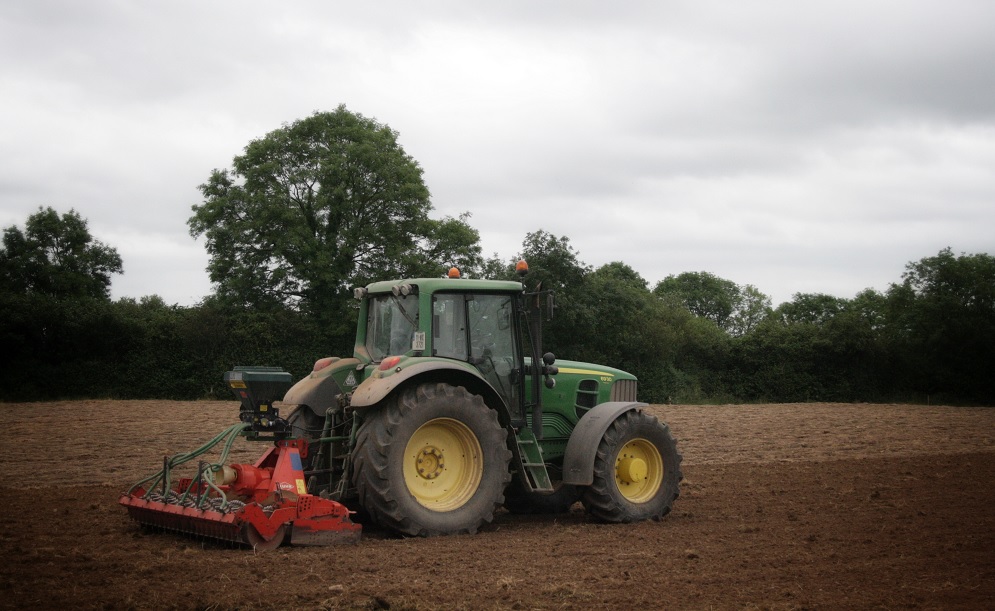
Reseeding During Mid-Season
Dr David Lawrence, Head of Nutrition, Agritech
Reseeded pasture grows on average 3t DM/ha more grass than old permanent pasture and has a much higher response to nutrient applications. The cost of reseeding has risen dramatically in the last 5 years; however, the investment in reseeding is fully recuperated within the first 2-3 years of the sward’s life, and with good management practices swards can maintain a high level of productivity well after 8 years.
Establishing a Productive Sward
To maximise the return on investment, we need to establish a long-lasting, productive sward, so care needs to be given at the outset.
Successfully burning off grass with glyphosate accounts for half the effort involved in the new sward establishment. We must maximise its effectiveness on weed control (ensure we spray mainly undamaged and disease-free leaves).
Old grass swards may have softer grasses that grow close to the base of the sward. These can be shaded out by taller-growing species, so it is important to consider the water volume in the sprayer to get good coverage and to ensure the sward is not too advanced when spraying.
Removing the residual herbage after spraying is critical at this time of year as the window to bury trash by ploughing has closed for derogation farms.
Creating a Consistent Seedbed
Minimum tillage techniques such as discing or power-harrowing require a sod that will break down into a consistent soil seedbed. Glyphosate should be given enough time to do its work here, and lime is needed to help this process along.
Perform a kick test before cultivating. If you can easily kick the trash off the top of the soil, you are ready for tilling. If you need to dig the sod off with multiple kicks, you are likely to run into trouble with sods not breaking down resulting in a poor seedbed.
Be mindful of dry weather and avoid exposing soil for prolonged periods. Roll immediately after sowing to ensure soil-seed contact and to maintain as much moisture in the soil as possible.
Benefits of Mid-Season Reseeding
Last autumn, many new reseeds remained ungrazed or poorly grazed for months due to wet weather and poor underfoot conditions. Reseeding in the mid-season offers an opportunity to avoid that scenario, thus helping the process of establishing a long-lasting sward.
For further advice, contact your local Agritech Sales Advisor.