

Dr. David Lawrence
Head of Nutrition, Agritech
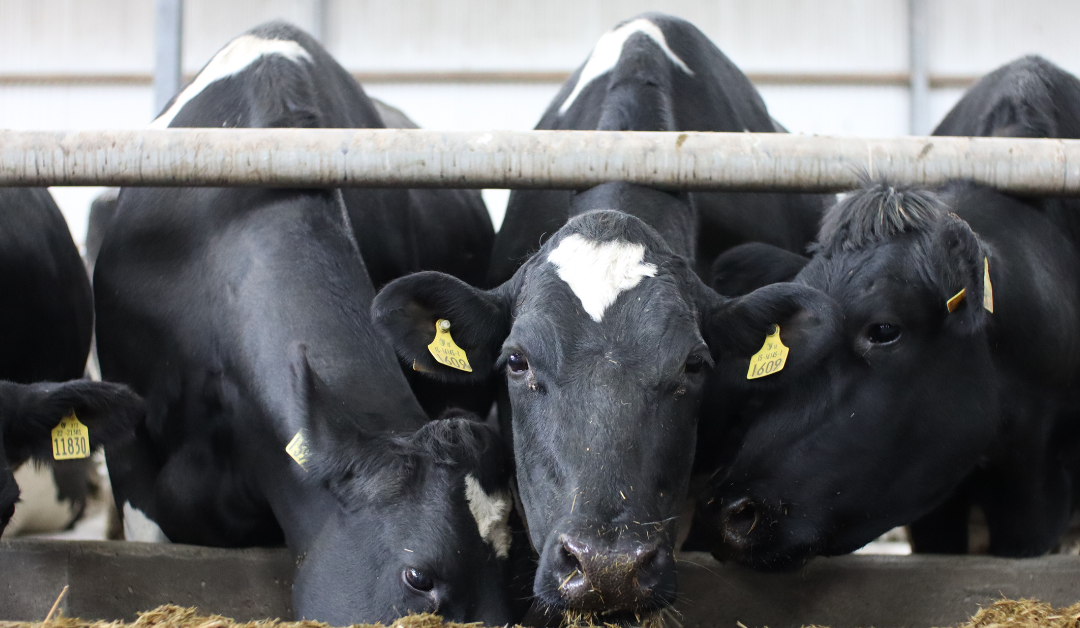
During winter housing, the feed passage is one of the best places to spot problems early. Are cattle eating as much as expected? Are they sorting the mix? Are they chewing the cud when they settle? Changes in dung consistency can add to the picture, especially when they coincide with changes in feeding behaviour or intake.
Housing often brings a change in forage and, on some farms, an increase in concentrates. When cattle eat a large meal of rapidly fermentable feed, rumen microbes can produce acids faster than the rumen can clear them. If this happens repeatedly, rumen pH can stay low for longer and fibre digestion can suffer. Loose dung and variable intakes are signs worth investigating.
Make ration changes gradually, provide enough effective fibre to encourage chewing and make sure quieter animals can get to the feed. Look at what’s left in the trough. If the refusals are mostly long fibre, cattle are likely eating a more concentrate-rich mix than the one you formulated.
Rumen buffers such as Rumicare can be considered when the ration contains a high proportion of rapidly fermentable feed. That might be a milking group on higher concentrate levels or finishing cattle moving onto a cereal-rich diet. Risk factors that are aided by a rumen buffer include sorting, high dietary starch, dietary changes, highly digestible forages and slug feeding of concentrates or beet.
For dry cows, the focus shifts towards preparing for calving. Start with a forage mineral analysis, particularly if silages come from different cuts or fields. High potassium can interfere with magnesium absorption, and magnesium helps the cow regulate blood calcium as demand rises at calving. Analyse sodium, potassium, chloride and sulphur to calculate the ration’s dietary cation–anion difference (DCAD). This figure helps guide whether anionic salts, such as magnesium chloride, have a place in the close-up ration.
Choose a quality dry cow mineral such as Welmin Dry Cow Elite and feed it for a minimum of six to eight weeks. Check that the rate is right for the group throughout that period. Weigh what goes into the mix and cross-check the bags used against cow numbers and days fed. This gives you a practical check on the average rate.
When you open a new pit or change the concentrate rate this winter, take another walk along the feed passage. What the cattle eat, what they leave behind and how their dung changes can tell you whether the ration is working in practice.
For further advice, contact your local Agritech Sales Advisor.